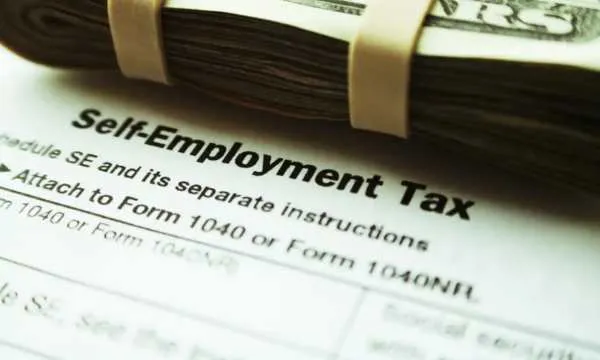
Preparing for a tax audit doesn’t have to be overwhelming with the right strategies, you can face it confidently and smoothly.
ad
With the right plan, you can approach the tax audit process with clarity, professionalism, and calm.
This article explains what a tax audit is, why notices are issued, how to respond, which documents to gather, what auditors typically evaluate, and how to keep records tidy year round.
ad
Along the way, you will find practical checklists and strategies to reduce stress, so you can focus on accurate information and timely responses.
What a Tax Audit Is and What Are the Main Reasons for It?
A tax audit is an official review of filed returns and supporting records to verify that income, deductions, credits, and taxes were reported correctly.

A tax audit may be conducted by correspondence, at the tax authority’s office, or at your home or business. The purpose is universal: to confirm compliance with tax laws and ensure that reported figures are adequately supported.
Why might a return be selected for a tax audit? In general, there are two pathways: random selection and risk based selection.
Risk based selection increasingly uses data analytics and AI to identify discrepancies, patterns that deviate from norms, or mismatches with third party reports.
Significant changes from prior years, unusually high deductions relative to income, or margins that differ from peers can also attract attention.
It is also common for returns linked by family, business ownership, or partnership relationships to be reviewed together in a tax audit.
None of these reasons imply wrongdoing, they simply indicate areas where the tax authority seeks clarification or substantiation. Understanding this helps you prepare with a balanced, confident approach.
First Steps After Receiving a Notification
The first moments after opening a tax audit notice set the tone for the process.
-
Verify the sender and reference numbers to confirm authenticity.
-
Calendar key deadlines and create a response timeline.
-
Decide who will represent you: yourself, a licensed tax professional, or both.
-
Avoid calling immediately if you feel anxious and gather facts first.
-
Respond professionally, in writing when appropriate, and keep copies of everything.
If you work with an accountant or advisor, share the tax audit notice promptly. A representative can communicate with the tax authority, help frame responses, and keep the discussion focused on the items actually under review.
When in doubt, ask for clarification in writing and maintain a clear paper trail.
Required Documentation to Gather for the Audit
Organize documents by tax year and topic for a smoother tax audit. Start with the filed return and all schedules, then collect the underlying evidence that supports each figure.
Use labeled folders or a digital binder to mirror the structure of your return. This saves time for everyone and reduces the chance of omissions.
-
Filed returns, schedules, and workpapers for the audited years.
-
Third party forms such as wage statements, interest and dividend reports, and information returns.
-
Bank and credit card statements, reconciliations, and annotated transaction lists.
-
Receipts and invoices tied to deductions and credits, plus contracts and engagement letters.
-
Mileage logs, travel itineraries, and calendars supporting business or charitable travel.
-
Payroll records, vendor ledgers, inventory reports, and fixed asset registers for businesses.
-
Property and appraisal documents where relevant (for example, real estate or estate matters).
-
Policies, procedures, and internal control descriptions if the audit involves business processes.
Create a two part tax audit binder: Section A for the tax return and summary schedules and Section B for evidence organized by line item. Cross-reference each page with simple tags like A-3 or B-7.
Digital organization is equally important for any tax audit. Store files in a consistent folder structure, use clear filenames with dates, and back up your data.
If you digitize receipts, ensure scans are legible and complete, and retain originals when required by your local rules.

Separation-of-documents-for-tax-audit-(Source-Google)
What Auditors Look for and What the Evaluation Criteria Are
Auditors focus on whether amounts are properly recorded, supported, and classified during a tax audit.
They evaluate the consistency between your return and supporting documents, whether expenses are ordinary and necessary for your activity, and whether income is fully reported. They also consider materiality, concentrating on items that could meaningfully affect tax due.
Businesses may be asked to demonstrate basic internal controls such as segregation of duties, approval workflows, and inventory tracking. Individuals might be asked to substantiate home office, education, or charitable deductions.
For estates or gifts, the focus often includes asset valuation support and documentation of ownership and basis. Increasingly, tax audit teams use analytics to examine large datasets and identify anomalies efficiently.
Across all cases, timeliness, organization, and professional presentation matter in a tax audit. A clean, well labeled submission shows respect for the process and helps the auditor verify facts more efficiently. The goal is to make it easy to reach an accurate, fair outcome.
Know Your Legal Rights During a Tax Audit
While specifics vary by country, most taxpayers have fundamental rights during a tax audit.
These commonly include the right to professional and courteous treatment, the right to representation, the right to understand what is being examined, and the right to privacy and confidentiality of your information.
You typically have the right to request additional time to respond, to provide information in an organized format, and to appeal proposed adjustments through administrative channels and, if necessary, independent review.
Always check the rules in your jurisdiction, as terms and procedures may differ from one tax audit to another.
Do not provide documents unrelated to the items under review unless requested. If you are unsure whether a request is appropriate, consult a qualified professional.
Maintaining a polite, factual tone helps protect your interests while keeping the tax audit process on track.
Tips for Keeping Records Up to Date
Strong record keeping reduces tax audit risk and response time. It also improves decision making throughout the year.
-
Reconcile accounts monthly and annotate unusual items immediately.
-
Use a standardized naming convention for files, including dates and brief descriptions.
-
Centralize receipts in a secure digital repository and back up to a second location.
-
Document business purpose on receipts and logs at the time of the transaction.
-
Schedule a quarterly mini audit to review deductions and substantiation gaps.
-
Maintain a written retention policy so you know what to keep and for how long.
-
Limit access to sensitive data and track changes to key spreadsheets.
-
Create a year end checklist to close the books and prepare for tax filing.
Technology can help with tax audit readiness. Accounting software, receipt scanning tools, and secure cloud storage provide searchable archives and faster retrieval.
However, tools are only as good as the habits behind them. Commit to a routine and audit your own records periodically.
How to Reduce Audit Anxiety and Nervousness
Anxiety around a tax audit often stems from uncertainty. Replace unknowns with a clear plan: what to gather, who will communicate, and how you will present evidence.
Practice your explanations for key items so you can speak calmly and concisely without speculation.
-
Set aside focused time blocks to prepare and avoid last minute rushes.
-
Use a simple agenda for meetings to keep discussions organized.
-
Answer what is asked and pause and do not volunteer unrelated information.
-
Bring summaries first, then offer detailed support on request.
-
Take short breaks to reset if you feel overwhelmed.
Organization turns pressure into progress, every labeled page is one less worry.
Conclusion
Preparing for a tax audit is about clarity, organization, and steady communication. Define the scope, assemble the right documents, and present them in a format that makes verification straightforward.
Respect deadlines, ask for clarifications in writing, and rely on qualified professionals when needed.
By focusing on complete records, calm responses, and consistent procedures, you reduce uncertainty and build trust in your reporting.